Emergency repairs for historic buildings - Eleanor Michell
Emergency Repairs for Historic Buildings is a compilation of 12 case studies that emphasize the necessity of emergency repairs for historic buildings in poor condition. These buildings are defined in this book as listed buildings in England, together with those which, although unlisted, add an historical dimension to their environment. Emergency repairs could consist of permanent or temporary work. Permanent work should always be carried out according to the best historic buildings practice. Temporary work is second best made necessary by lack of money but having the advantage of speed. In an emergency, this is sometimes the most important factor as decay spreads very quickly, especially in empty buildings. Chapter 2 of this book provides guidelines for temporary repair, which indicate that even this work should be the best quality of its kind. This book mainly relates to the great majority of buildings, rather than to major country houses, historic engineering works, or ancient monuments. This text is a useful and informative reference for individuals or students who conduct research on studies relating to architectural or historical arts.
Table of Contents
1 Introduction
1.1 Emergency Repairs for Historic Buildings
1.2 Historic Buildings at Risk
1.3 Basic Aids for Conservation Officers
1.4 Condition Surveys
1.5 Causes of Deterioration in Historic Buildings
1.6 Grants for Repairs
1.7 Legislation for Urgent Repairs
1.8 The Use of the Legislation
1.9 Historic Buildings Preservation Trusts
2 Temporary Repairs and the Care of Unused Buildings
2.1 A Building under Temporary Repair
2.2 Assessment
2.3 Recording and Conserving
2.4 Safety
2.4.1 The Stability of the Building
2.4.2 Public Safety and Access
2.4.3 Protection from Traffic
2.5 Security
2.5.1 Assessing Security
2.5.2 Assistance with Security
2.5.3 Deterring Vandals
2.5.4 Physical Protection
2.5.5 Fire Precautions
2.5.6 Intruder Alarms
2.5.7 Graffiti
2.6 Excluding Water
2.6.1 Roofs
2.6.2 Rainwater Systems
2.6.3 Rising Damp
2.6.4 Drying out and Ventilation
2.6.5 Cocooning
2.6.6 Screening of Openings
2.6.7 Water Supplies
2.7 Organisms
2.7.1 Fungi
2.7.2 Woodboring Insects
2.7.3 Birds
2.7.4 Harmful Growths
2.8 Special Features
2.8.1 External Enrichments
2.8.2 Plasterwork and Rendering
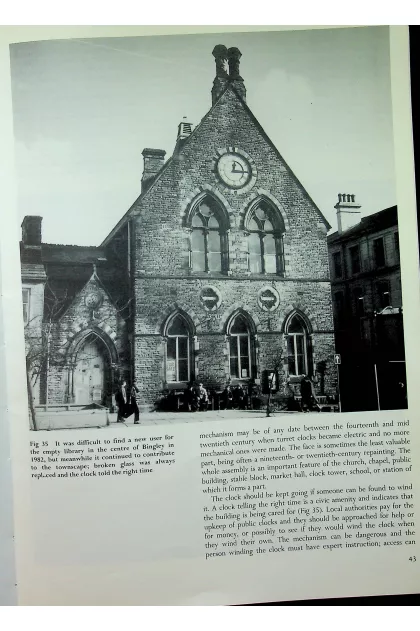
2.8.3 Wall and Turret Clocks
2.8.4 Organs
2.9 External Appearance
3 Temporary Uses for Historic Buildings
3.1 The Need for Temporary Uses
3.2 Obtaining Vacant Possession When Required
3.3 Payments and Obligations for Temporary Use
3.4 Care of Valuable Features
3.5 Short-Life Housing
3.6 Temporary Shops
3.7 Industrial and Commercial Uses
3.8 Community Uses
4 Examples of Emergency Repair
Case Study 1 the Lamb Inn, Wallingford, Oxfordshire
Damage Caused By Ineffectual Emergency Repairs
Case Study 2 5-7 Elder Street, Spitalfields, London
Short Term Emergency Repair
Case Study 3 Arkwright House, Preston, Lancashire
First Aid Repairs by Volunteers
Case Study 4 Houses in Gillygate, York
Saving an Historic Street
Case Study 5 Rock Hall, Farnworth, Bolton, Lancashire
The Problems of An Isolated Historic Building
Case Study 6 113—115 Bath Road, Cheltenham, Gloucestershire
The Determination of the Planning Authority Saves A Regency Elevation
Case Study 7 Warehouse, Liverpool Road Station, Manchester
The Problems of a Very Large Historic Structure
Case Study 8 Brandling Station, Felling, Gateshead
A Tiny Unwanted Building with Historic Associations
Case Study 9 the Royal Naval Asylum, Penge, London
Permanent Emergency Repairs Solve an Intractable Problem
Case Study 10 Island Warehouse, Ellesmere Port, Cheshire
Long-Term Dedication By Volunteers
Case Study 11 Maw's Tile Works, Ironbridge, Shropshire
Irreparable Damage in One Year of Neglect
Case Study 12 32 Heathcoat Street, Nottingham
Permanent Emergency Repairs to a Valuable Street Elevation
5 Aspects of the Case Studies
5.1 Choice of Buildings
5.2 First Steps
5.3 The Cost of Emergency Repairs
5.4 The Quality of the Emergency Repairs
5.5 Achievements
Appendix
Acknowledgments
Index